

New research on nonprofit hospitals’ charity care is incomplete
A new research letter on charity care published in JAMA Internal Medicine is misleading at best.
First, the authors fail to account for the full range of costs nonprofit hospitals incur in providing care to indigent patients, which include underpayments from public payers. A 2020 AHA analysis showed that hospitals incurred $76.6 billion in combined underpayments from Medicare and Medicaid. These vital programs account for more than 60% of all care provided by hospitals, but pay less than 89 cents for every dollar spent by hospitals providing care for Medicare and Medicaid patients.
Second, by drawing only from Medicare cost reports, the authors neglect to acknowledge the plethora of other benefits non-profit hospitals and health systems contribute to in their communities, which is reflected in a much more accurate tool – Schedule H of the IRS Form 990. These benefits include promoting health and wellness to help prevent chronic conditions, tackling social determinants of health and disparities in care, addressing identified community health needs and strengthening community partnerships. Collectively, these initiatives are credited with keeping patients healthier.
According to a 2019 AHA analysis, tax-exempt hospitals provided $95 billion in total benefits to their communities in 2016 alone, the most recent year for which comprehensive data was available. Notably, this means that hospital and health system community benefit activities outweigh the value of their federal tax exemption – which was $9 billion in 2016 – by a factor of nearly 11 to one.
A separate analysis of Form 990 Schedule Hs shows that total community benefits were 13.7% of total hospital expenses in 2016. You can learn more about this data here and here.
Hospitals and health systems also have a track record of championing coverage gains, including working with state associations to push hold-out state governments to expand Medicaid and pushing the federal government to fully fund enrollment outreach for the Affordable Care Act exchanges.
No other health care sector comes close to this level of public benefit.
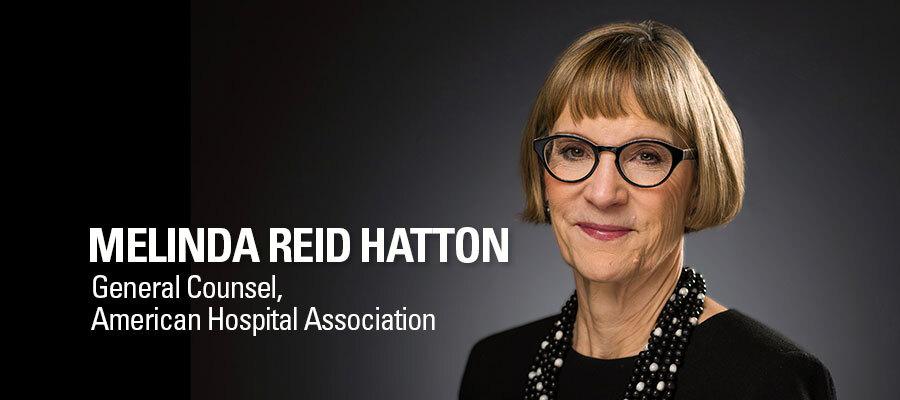
Melinda Hatton is AHA general counsel.