


AHA task force tackles workforce challenges
We’ve all heard that the 21st century workforce is changing — through artificial intelligence, shifting values and process improvements, among other factors. The issue of the future of the health care workforce is so broad and multi-faceted because hospitals and health systems are not only focused on taking care of the health needs of our communities in a rapidly changing environment, we also are often the largest employers in the communities we serve, with a vast impact on the local economy. My health system, Froedtert Health, provided a total community benefit of more than $251 million in 2018 actively making the area a better place to live and work for our patients and workforce.
Astute hospital leaders recognize the multitude of challenges facing them — funding, regulatory constraints, operational and clinical changes, new industry entrants, competing priorities, to name a few — but many of us don’t know how to prepare for the next generations of workers and the roles they might fill. That’s why the AHA recently launched a Task Force on the Changing Workforce comprised of 24 hospital and health system leaders from across the country.
I accepted the role of chairing the task force with this in mind: Health care is taking care of people and depends on people, and I have always focused on how you get the best people into this work.
We all met in Washington, D.C., for the first time in October with not only our concerns, but also with enthusiasm and ideas. Each of us shared a few of the workforce innovations we’ve already implemented, including:
- Creating apprenticeships and internships for clinical and non-clinical roles targeting high school students and vulnerable populations;
- Automating administrative and clinical tasks;
- Enhancing jobs with flexible schedules, increased wages and professional development opportunities;
- Addressing workers’ challenges with local, affordable housing; and
- Training inpatient nurses to be successful in the outpatient environment.
While still in the early stages, I feel confident this group will provide thought leadership and propose policy solutions, as well as operational considerations, to inform next steps. The rapid changes we are seeing are bringing both challenges and opportunities, and I’m excited to work with others in the field to get and share the best ideas on how to move us forward.
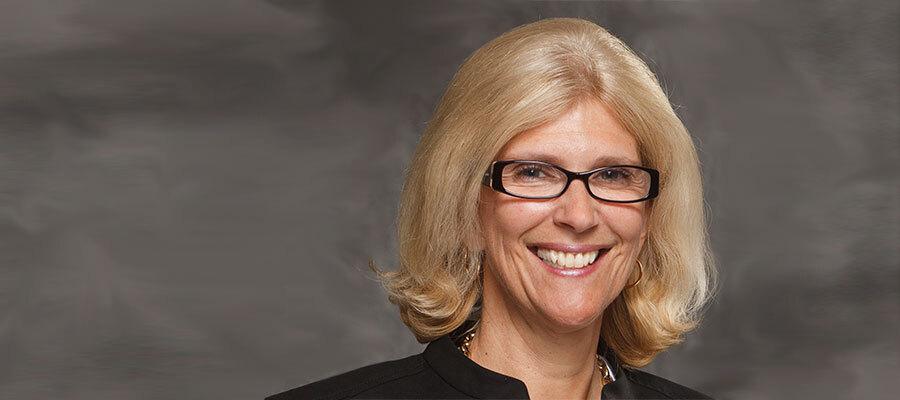
Catherine Jacobson is president and CEO of Froedtert Health in Milwaukee, Wis., and chair of the AHA Task Force on the Changing Workforce.